Backcountry camping turns a hike into a fuller kind of adventure. You trade hotel walls for a changing sky, quiet water, and a camp that you carry in yourself. The experience does not have to be extreme, but it does require preparation. A thoughtful first overnight builds confidence and protects the landscape you came to enjoy.
Start with a simple route
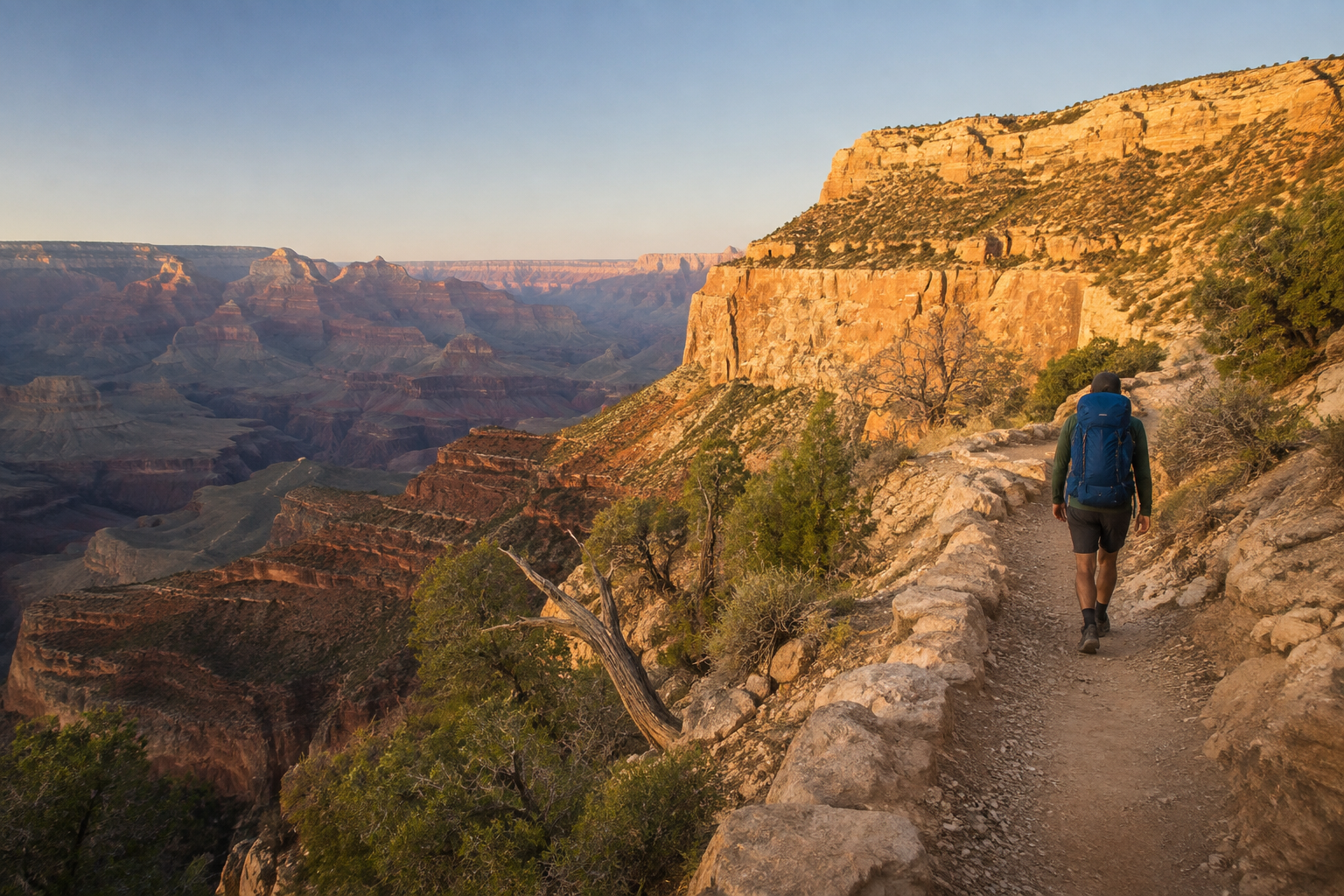
For your first trip, pick a well-marked route with a modest distance, reliable water information, and a designated or clearly permitted camping area. Aim to arrive at camp with plenty of daylight. This gives you time to set up carefully, make dinner, and solve small gear problems before nightfall.
Build a practical packing system
Bring only what earns its place in your pack. The essentials include shelter, a sleep system matched to the forecast, enough food, a water-treatment method, navigation, a first-aid kit, a headlamp, and extra insulation. Keep frequently used items—rain shell, snacks, map, and water—where you can reach them without unpacking everything.
Choose a campsite with care
- Use established sites where they are available and follow local regulations.
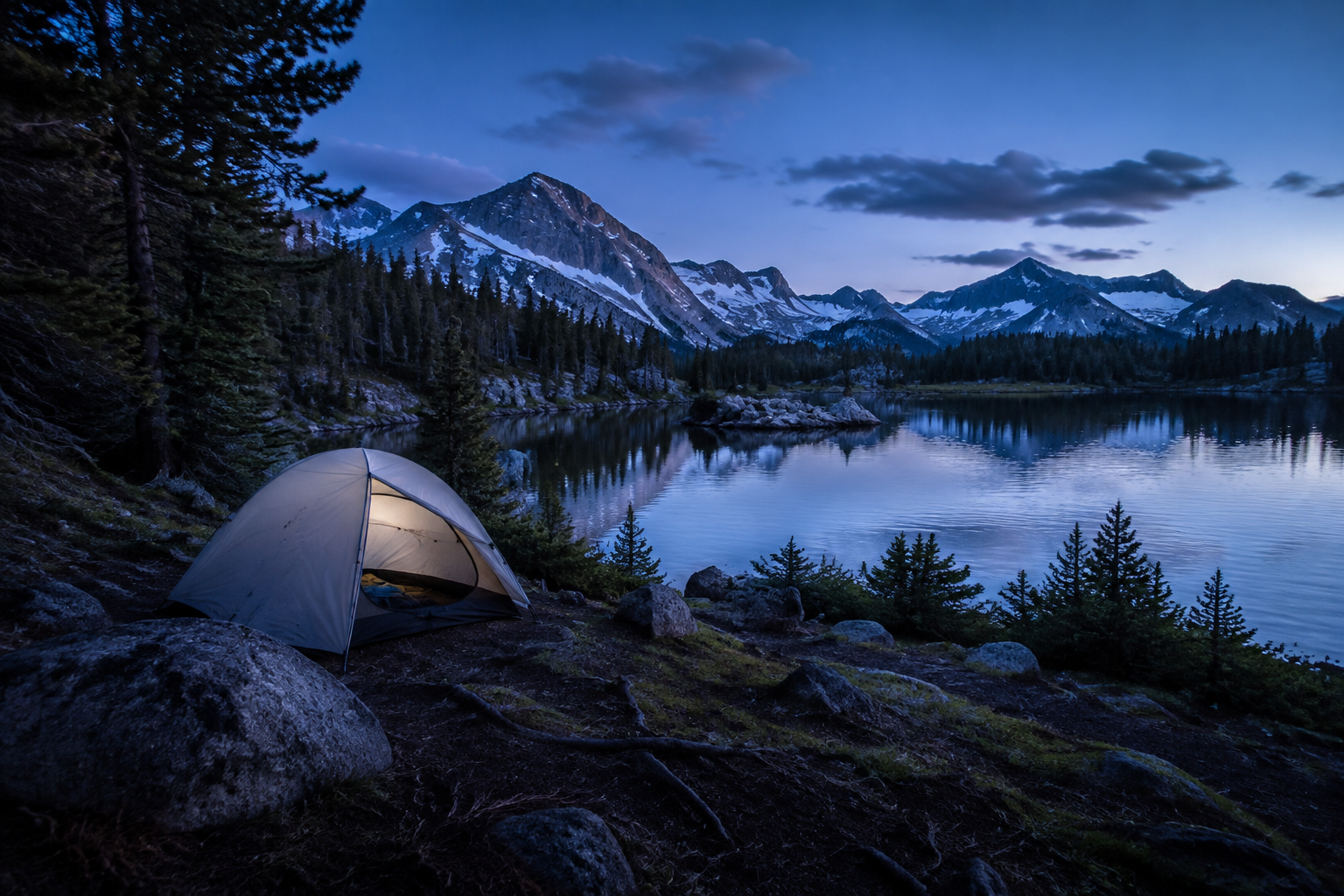
- Camp on durable ground, well away from lakes, streams, and fragile vegetation.
- Look up for dead branches and down for roots, runoff paths, or obvious puddling.
- Keep tents, cooking areas, and food storage organized and separate when local guidance calls for it.
A beautiful site is not always a good site. Wind exposure, drainage, and distance from water can matter more than the first view you find.
Cook and store food responsibly
Know the food-storage rules for your destination before you leave. In bear country, approved storage methods are essential. Keep food, scented toiletries, and trash secured; never leave them in a tent. Cook simple meals that use little fuel and require minimal cleanup, then pack out every bit of waste.
Leave no trace, even when nobody is watching
Backcountry etiquette is simple: travel and camp on durable surfaces, dispose of waste properly, minimize campfire impacts, respect wildlife, and be considerate of other visitors. If fires are permitted, use existing rings and keep them small; in many places, a stove is the lower-impact choice. Before leaving, scan the area slowly for micro-trash, food scraps, and forgotten gear.
Let the first trip teach you
Every overnight reveals something useful: a jacket you did not use, a meal you loved, a packing habit that needs work. Make a few notes when you return, then adjust before the next adventure. Comfort in the backcountry grows from preparation, good judgment, and respect for the place around you.